Our Blogs
Explore Our Blogs
Understanding Freight Class and Shipping Costs in Canada
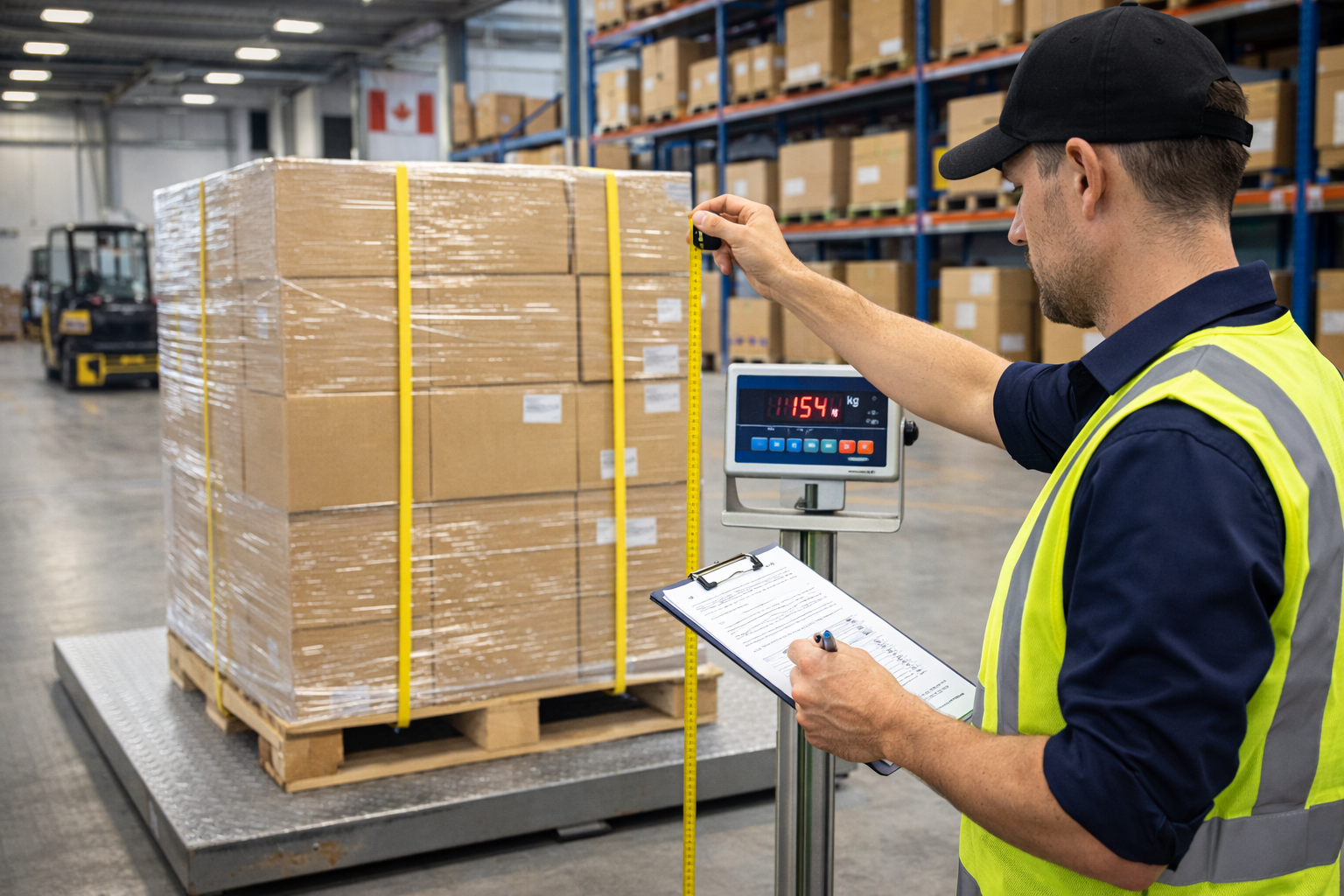
Freight class plays a major role in determining your shipping costs, especially for LTL shipments. Many businesses across Canada struggle to understand how freight classification works and why two similar shipments can have different rates. Understanding freight class and shipping costs helps businesses avoid overpaying, reduce billing disputes, and improve logistics planning. Freight class is a standardized system used to categorize shipments for pricing purposes. In Canada and the United States, freight classes typically range from Class 50 to Class 500. Lower class numbers usually mean lower shipping costs. Higher class numbers indicate higher shipping rates. Freight class is primarily used for Less-Than-Truckload (LTL) shipments. Freight classification is based on four main factors: Density is calculated using weight and dimensions. Higher density freight (heavy and compact) → Lower class → Lower cost Density plays the biggest role in classification. How easily can the freight be stored with other shipments? Items that are: Hazardous Irregularly shaped Difficult to stack may receive higher classification. Fragile or special-handling items increase risk and labor requirements, which may increase class. High-value or easily damaged goods increase carrier risk and may result in higher classification. Freight class directly impacts your LTL freight rates. For example: Class 70 machinery parts may ship at a lower rate Class 250 lightweight furniture may cost significantly more Even if weight is similar, classification changes pricing structure. Incorrect classification can lead to: Reclassification fees Additional billing charges Delivery delays Accurate information prevents disputes and unexpected costs. Many shippers: Guess freight class Provide incorrect dimensions Underestimate weight Ignore packaging requirements These mistakes increase shipping costs and create billing adjustments. Providing accurate measurements helps control expenses. Here are practical strategies: Measure freight correctly Optimize packaging to increase density Consolidate shipments when possible Work with experienced freight professionals Review freight class before booking Understanding classification ensures you choose the most cost-effective shipping option. Freight classification can be complex, especially for businesses shipping regularly. A reliable trucking company in British Columbia can help: Determine accurate freight class Provide transparent pricing Recommend LTL or FTL solutions Prevent reclassification charges Working with experienced logistics professionals protects your shipping budget. Freight class is one of the most important factors in determining shipping costs in Canada. By understanding density, handling requirements, stowability, and liability, businesses can make smarter transportation decisions. Accurate freight information leads to predictable pricing, fewer disputes, and improved supply chain efficiency. For reliable freight solutions across British Columbia and Western Canada: 📍 701 E Athabaska St, Kamloops, BC V2H 1C8 Request a quote today for professional freight transportation services.
What Is Freight Class?
What Determines Freight Class?
1. Density
Lower density freight (light and bulky) → Higher class → Higher cost
2. Stowability
3. Handling
4. Liability
How Freight Class Affects Shipping Costs
Common Mistakes Businesses Make
Tips to Reduce Shipping Costs
Why Professional Guidance Matters
Conclusion
📞 Contact Safe Haul Trucking
📞 +1 778-538-3346
📧 dispatch@safehaultrucking.com