Our Blogs
Explore Our Blogs
LTL vs FTL Shipping in British Columbia – Which Is Right for Your Business
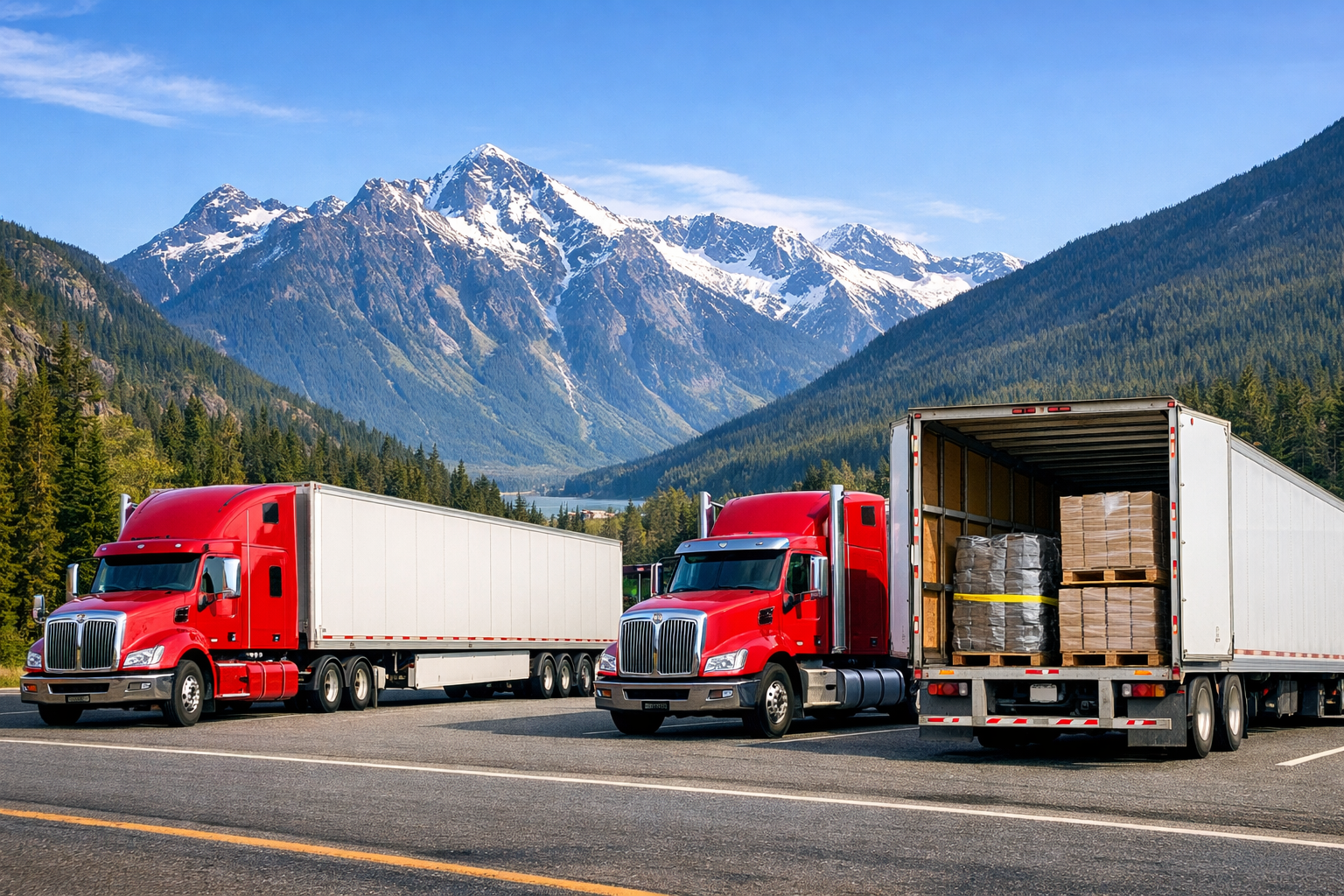
Choosing the right freight shipping method can significantly impact your delivery speed, transportation costs, and overall supply chain efficiency. Businesses across British Columbia often face one common question: Should you choose LTL (Less-Than-Truckload) or FTL (Full Truckload) shipping? Understanding the difference between these two options can help you reduce delays, control freight costs, and ensure on-time delivery. At Safe Haul Trucking, based in Kamloops, BC, we help businesses choose the most efficient shipping solution for their needs. LTL (Less-Than-Truckload) shipping is used when your freight does not require a full trailer. Your shipment shares space with other shipments heading in a similar direction. Smaller shipments Flexible delivery timelines Budget-focused shipping Regular low-volume freight Lower shipping cost Efficient for partial loads Reduced empty trailer space Multiple stops may increase transit time Freight handled more frequently LTL is a smart choice for businesses shipping smaller quantities within British Columbia or nearby provinces. FTL (Full Truckload) shipping means your freight occupies the entire trailer. The truck moves directly from pickup to delivery with minimal stops. Large shipments Time-sensitive deliveries High-value or fragile freight Cross-province or cross-border shipping Faster transit times Reduced freight handling Lower risk of damage Direct delivery For businesses moving bulk freight between Kamloops, Vancouver, Alberta, or across Canada, FTL often provides maximum efficiency. Shipping costs depend on several factors: Freight weight and dimensions Distance between pickup and delivery Fuel surcharges Delivery urgency Handling requirements LTL generally costs less per shipment for small freight loads, while FTL becomes more cost-effective for larger shipments requiring speed and security. Choosing incorrectly can lead to unnecessary expenses or delays. Ask yourself: Does my freight fill most of a trailer? Is delivery time critical? Is the freight high-value or fragile? Am I shipping regularly or occasionally? If speed and security are priorities → FTL is usually better. If cost efficiency for smaller shipments matters more → LTL is the smarter choice. Regardless of whether you choose LTL or FTL, reliability is critical. A dependable trucking partner ensures: On-time pickups and deliveries Professional freight handling Route optimization Compliance with Canadian transportation regulations Clear communication At Safe Haul Trucking in Kamloops, BC, we provide dependable freight solutions across British Columbia and Western Canada. Both LTL and FTL shipping offer unique advantages. The right choice depends on your shipment size, urgency, and budget. Making the correct decision improves operational efficiency and reduces long-term transportation costs. 👉 Need expert advice on LTL or FTL shipping in British Columbia?
What is LTL Shipping?
When LTL is Ideal:
Advantages of LTL:
Limitations:
What is FTL Shipping?
When FTL is Ideal:
Advantages of FTL:
Cost Comparison: LTL vs FTL in BC
How to Decide the Right Option
Why Choosing the Right Carrier Matters
Conclusion
Contact Safe Haul Trucking today for reliable and professional freight solutions.